Comparing Top Power Generator Needs
Standby Generators: The Dependable Answer for Constant Energy Flow
Standby generators provide crucial protection during grid failures. These systems operate smoothly, starting up immediately after a power loss. Powered by different energy types, they make certain facilities stay running when disaster strikes. However, understanding their benefits and features is crucial to reaching the right conclusion. Which factors must be reviewed before investing in this type of review unit? The next segments discuss these crucial elements.
The Mechanics of Backup Power: How They Work
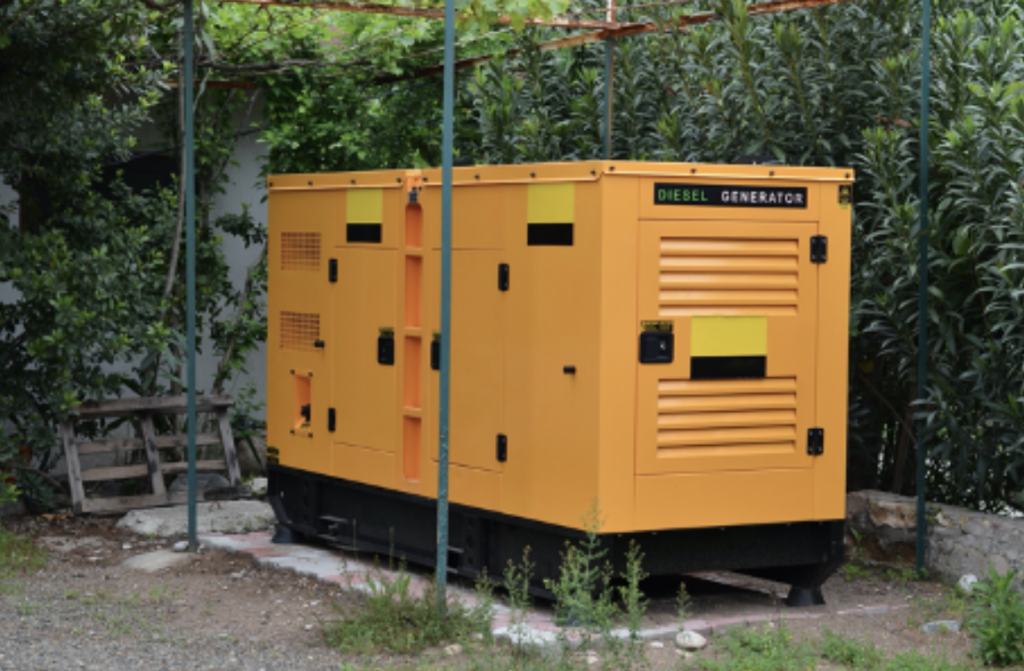
Automatic generators are vital systems that offer reliable emergency electricity during outages. They are typically installed outside the structure, wired into the power grid and powered by diesel, propane, or natural gas. Should the power fail, a standby generator detects the loss of electricity and starts up instantly. This action utilizes an ATS (Automatic Transfer Switch), which separates the building from the main supply and connects it to the generator
(Portland Standby Generators)The unit subsequently generates power, supplying power to essential circuits or the complete structure, based on its size. Typically, these generators have a built-in monitoring system which ensures correct operation and servicing. These units run for long durations, offering a constant energy supply until the main grid is back online. Understanding the mechanics behind standby generators enables users to see their importance in enhancing energy security and minimizing disruptions during unexpected outages
Benefits of Installing a Standby Generator
Trustworthiness is a key feature of installing a standby generator, as it guarantees an uninterrupted power supply during blackouts. This crucial capability ensures that homes and businesses remain operational, protecting valuable assets and maintaining comfort. Additionally, standby generators enhance safety by mitigating grid failures that may result in risky circumstances, such as burst plumbing or non-functional medical devices.
Cost-effectiveness is a further advantage; while the initial investment may be high, the future financial benefits from avoided food spoilage, business interruption, and urgent maintenance can be substantial. Moreover, these generators increase property value, making them an appealing amenity for potential buyers.
Convenience is also notable, as these generators turn on automatically during an outage, removing the necessity for manual intervention. This seamless operation allows users to keep up their normal schedules without interruption. Overall, setting up a standby system delivers reassurance, ensuring that power is always available when critical.
Important Attributes to Consider in a Backup Power System
When selecting a standby generator, multiple important characteristics must be evaluated to ensure optimal operation and appropriateness for individual requirements. First, the power generation capability is essential; potential users must determine the wattage required to support essential appliances during an outage. Furthermore, the type of fuel—whether natural gas, propane, or diesel—impacts performance and operational costs.
Another important feature is the transfer switch, which allows for effortless switching and boosts reliability. Construction and longevity are key factors; a robust generator can cope with extreme weather.
Moreover, noise levels should be assessed, as quieter models are preferable for neighborhood settings. A few units provide automatic start capabilities, offering ease of use during unforeseen blackouts. Lastly, warranty and service options need to be checked, ensuring dependable assistance and maintenance. By evaluating these features, prospective buyers can choose a backup system that aligns with their individual power demands successfully.
Factors to Consider Before Purchase
Prior to purchasing a standby generator, customers should thoroughly review multiple critical elements to guarantee they make an educated choice. Portland Standby Generators. Initially, they must evaluate their energy requirements by estimating the needed power to run important appliances during an outage. Secondly, the type of fuel is critical; available types are natural gas, propane, or diesel, each possessing specific upsides and supply concerns
Furthermore, customers need to examine the generator's transfer switch, which allows for smooth energy changeover. The requirements for installation are also important, since certain models could demand expert setup or obtaining necessary permits
Warranty and service options must be carefully reviewed, because they influence your satisfaction over time. Finally, potential buyers should evaluate how loud the generator is, above all if they are located in a housing development. By examining these factors, consumers can select the right generator that best meets their unique needs and expectations
How to Maintain Your Standby Generator
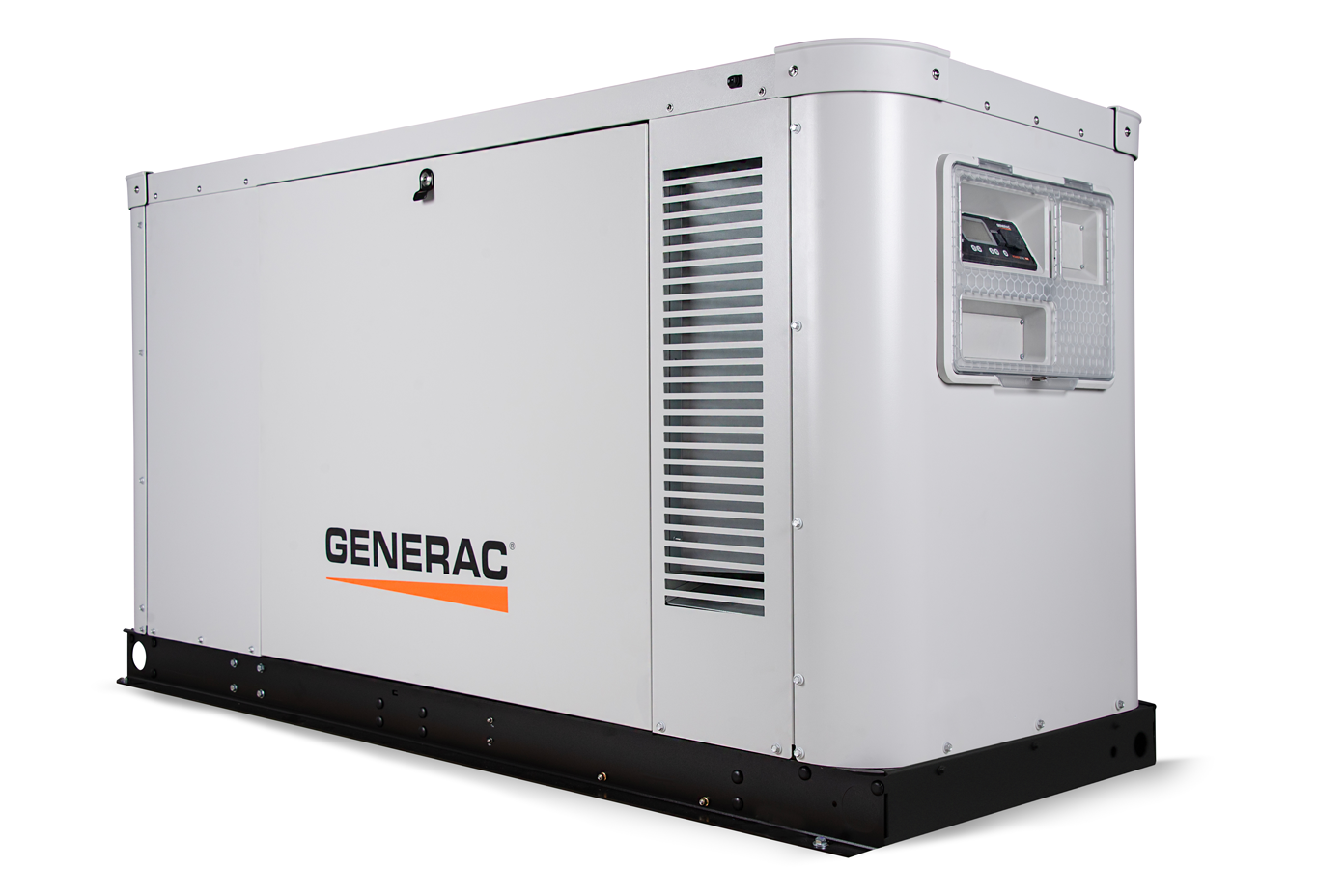
Routine servicing is crucial for guaranteeing ideal performance and the long life of a backup generator. Start by examining how much oil the generator has, changing the oil and filter following the guidelines provided by the manufacturer. Regularly check the air filter and change it when needed to ensure proper air circulation. It is crucial to check the battery and clean any corrosion on terminals to ensure it starts reliably.
Run load tests from time to time to verify the generator manages its rated capacity. Furthermore, ensure that the exhaust is clear of blockages and leaks. Maintaining a clean, debris-free generator can prevent the unit from overheating and having other issues.
Finally, arrange for expert servicing yearly to handle potential issues and carry out detailed inspections. Following these maintenance tips will significantly prolong the life of a standby generator, offering reassurance when the power goes out.
Common Questions
How Much Do Standby Generators Typically Cost?
Backup generators usually range from $2,000 to $15,000, based on elements like brand, power capacity, and how complex the installation is. Other expenditures might cover maintenance, permits, and the cost of fuel tanks, affecting the total investment needed.
Is Self-Installation of a Standby Generator Possible?
Self-installation of a backup generator is feasible, but you must have knowledge of electrical systems and local codes. Most professionals advise hiring a professional to guarantee safety, adherence to regulations, and optimal functioning of the generator installation.
Which Types of Fuel Power Standby Generators Use?
Standby generators commonly run on energy sources such as gasoline, propane, natural gas, or diesel. Portland Standby Generators. The selection of energy source often depends on availability, cost, and specific energy needs, which impacts the functioning and efficacy of the generator
Do I Need Permits for Installation?
Permits are frequently necessary for the installation of standby generators. The specific codes change based on the locale, so it is vital for those installing the unit to consult local authorities to verify conformance with all relevant codes and requirements.
How Long Can a Standby Generator Run Continuously?
A standby generator can run continuously for a range of periods, typically ranging from 24 to 48 hours, based on the load demands and fuel availability. Consistent servicing provides optimal functioning and extended lifespan during long running times.